There’s a surprising amount of bad advice out there about cleaning up after dogs, and a lot of poorly made products that make an easy job harder than it needs to be. Thin bags tear, short-handled tools force you to crouch, and hinged scoopers jam the moment they get dirty. None of that is necessary. Good design solves all of it. This guide covers what actually matters when choosing cleanup gear, how to use it well, and the small habits that keep a yard clean, healthy, and pleasant to spend time in year-round.
If you’ve ever wrestled with a flimsy plastic bag on a windy morning or bent over one too many times cleaning the lawn, you already know the problem. Dog waste cleanup is unavoidable, but the frustration around it is entirely optional. The difference between a miserable chore and a quick, clean task usually comes down to the equipment you’re using. In this guide, we’ll break down what separates good cleanup tools from bad ones, why it matters for your yard and your health, and how to build a routine that keeps everything under control.
Being a Considerate Neighbour
Cleanup isn’t only about your own yard. Waste left on pavements, verges, and shared green spaces is the single most common complaint about dog owners, and it shapes how whole communities view dogs and the rules that get applied to them. Carrying bags every time you leave the house is a small habit with an outsized effect on how welcome your dog is in public spaces. It also matters practically: waste on pavements washes into storm drains and waterways untreated. Being reliably tidy in public is one of the easiest ways to be a genuinely good dog owner.
Reach and Posture Matter More Than You Think
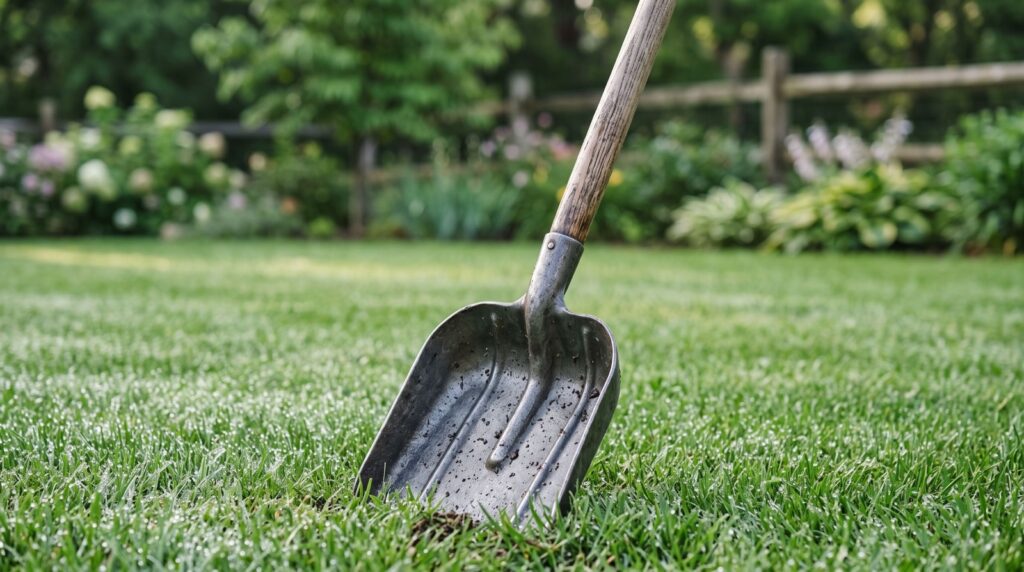
Most people underestimate how much bending affects their willingness to clean up regularly. A short-handled scooper forces you to crouch for every pickup, which is uncomfortable at best and genuinely painful if you have back or knee problems. A long-handled tool lets you stand fully upright, work quickly, and cover the whole yard without strain. That comfort directly translates into consistency, because a task that doesn’t hurt is one you’ll actually do daily. For older owners, anyone with mobility issues, or people with several dogs, good reach isn’t a luxury feature – it’s the difference between staying on top of it and giving up. This is where a quality heavy duty bags really makes the difference.
Health Risks Worth Taking Seriously
Dog waste can carry roundworms, hookworms, giardia, salmonella, and E. coli, and some of these survive in soil for months or even years after the waste itself is gone. Children playing in the yard are the most vulnerable, since contaminated soil transfers easily to hands and then to mouths. Other dogs can be reinfected from the same ground repeatedly, which is a common reason parasite treatments seem not to work. None of this is cause for alarm, but it’s a solid reason to treat prompt cleanup as basic hygiene rather than an optional tidiness chore that can wait for the weekend.
What to Look For When Buying
A few practical criteria separate cleanup tools worth owning from ones you’ll replace within months. Look for a handle long enough that you stand upright, construction sturdy enough to survive being left outdoors, a design with minimal moving parts, and bags thick enough that they never tear or leak. Ease of cleaning matters too – anything that traps residue becomes unpleasant fast. It’s also worth checking that the tool suits your dog’s size and your yard’s terrain, since gravel, grass, and patio each behave differently. Spending slightly more on gear that lasts is consistently cheaper than replacing cheap equipment repeatedly. Quality and consistency count across the board, including with quality service providers.
Build a Routine That Sticks
The owners with consistently clean yards are rarely the most disciplined – they’ve just attached the task to something they already do. Cleaning up right after the morning let-out, or during the evening walk, means it happens automatically rather than requiring a decision each day. Keeping your scooper and bags somewhere genuinely convenient, like by the back door, removes the last bit of friction. Waste that’s picked up daily takes moments; waste left for a week becomes a job you keep postponing. The routine matters more than the effort, because small and consistent always beats occasional and overwhelming.
Cleanup on Walks vs Cleanup at Home
These are genuinely different jobs, and using the wrong approach for each makes both harder. On walks, you need something compact, quick, and easy to carry with one hand while managing a leash – here, good bags do most of the work. At home in the yard, you’re covering more ground and dealing with accumulated waste, so a proper long-handled scooper saves enormous time and effort. Many owners try to use one solution for both and end up frustrated with each. Recognising that walks and yard cleanup have different demands, and equipping yourself accordingly, makes both routines dramatically smoother. It’s well worth looking at Heavy duty trash bags before your next purchase.
Key Takeaways
- Being a Considerate Neighbour: Cleanup isn’t only about your own yard.
- Reach and Posture Matter More Than You Think: Most people underestimate how much bending affects their willingness to clean up regularly.
- Health Risks Worth Taking Seriously: Dog waste can carry roundworms, hookworms, giardia, salmonella, and E.
- What to Look For When Buying: A few practical criteria separate cleanup tools worth owning from ones you’ll replace within months.
- Build a Routine That Sticks: The owners with consistently clean yards are rarely the most disciplined – they’ve just attached the task to something they already do.
- Cleanup on Walks vs Cleanup at Home: These are genuinely different jobs, and using the wrong approach for each makes both harder.
The Bottom Line
A clean yard is better for your grass, safer for your family, and far more pleasant to spend time in. None of that requires more effort – just better equipment and a consistent routine. Once daily pickup becomes automatic and your tools actually work properly, the whole job quietly disappears into the background of owning a dog.
The difference between dreading cleanup and barely noticing it comes down almost entirely to gear. Long reach so you’re not bending, simple construction so nothing jams, and bags that never tear. Get those three things right and you’ll wonder why you put up with the alternative for so long.