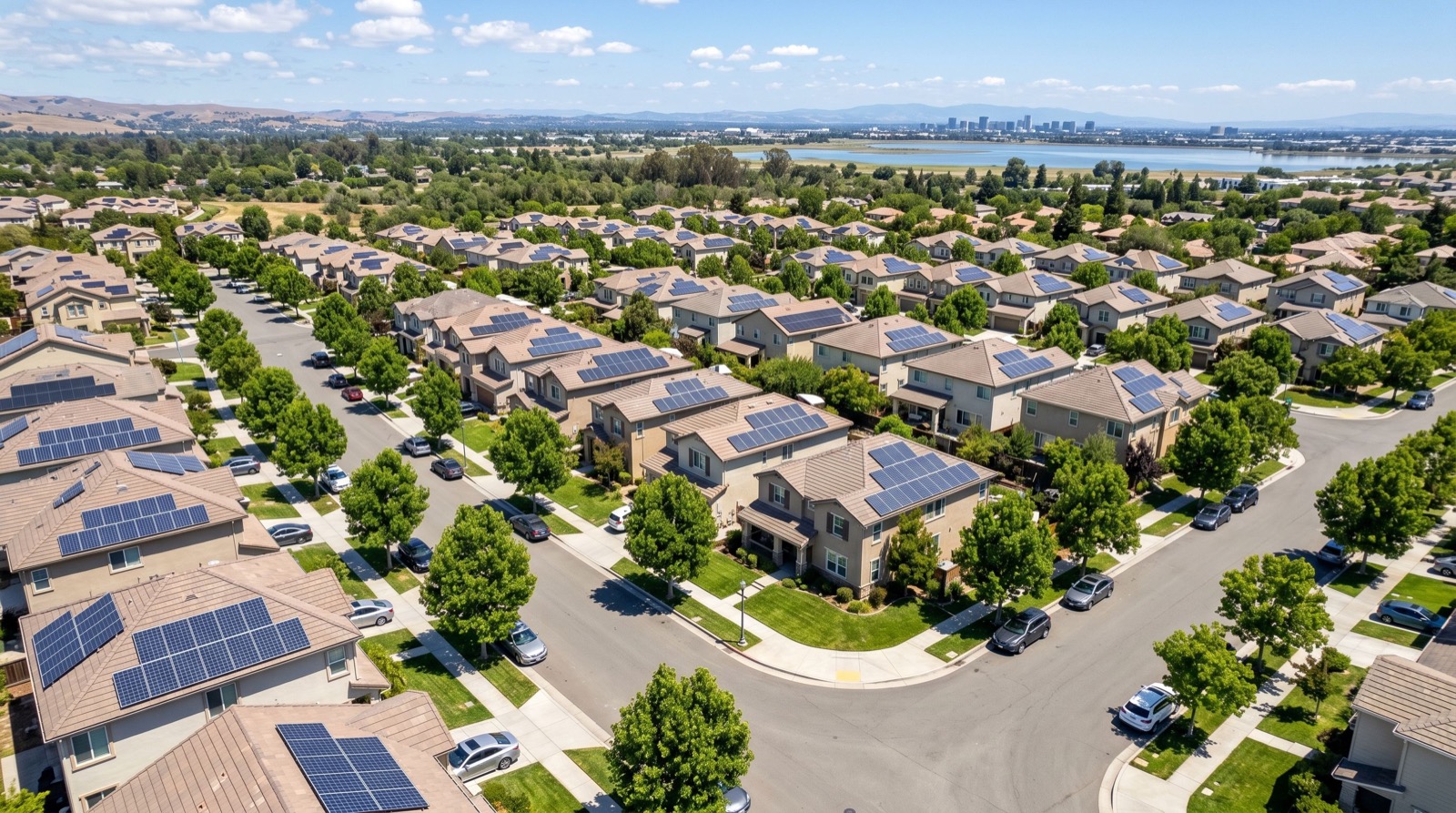

How to Choose a Solar Company in Karachi: A 2026 Homeowner’s Guide
Picking the right solar company in Karachi is the single decision that makes or breaks your switch to clean energy. Karachi’s brutal summers, rising K-Electric tariffs, and daily load-shedding have turned rooftop solar from a luxury into a household necessity in 2026. Yet the city is now crowded with installers of wildly different quality, and a poor choice can leave you with under-performing panels and a warranty nobody honours.
This guide walks you through exactly what to look for, what a fair quote looks like, and how net metering changes the maths for Karachi homes this year.
Why a Solar Company in Karachi Needs Local Expertise
Karachi is not Lahore or Islamabad. The coastal climate brings salt-laden humidity that corrodes cheap mounting structures within a few seasons. Dust storms coat panels quickly, and summer rooftop temperatures routinely cross 60°C, which quietly drops panel output if the array is poorly ventilated.
A genuinely local installer accounts for all of this. They specify marine-grade aluminium rails, leave the right air gap under panels, and angle the array for Karachi’s latitude of roughly 24.8° north. Generic nationwide firms often skip these details.
Local experience also matters for paperwork. K-Electric is the sole distribution company here, and its net-metering approval workflow differs from the DISCOs that serve Punjab. A seasoned Karachi team already knows the inspection quirks and can shorten your approval timeline considerably.
Understanding Net Metering With K-Electric in 2026
Net metering lets your rooftop system export surplus daytime units to the grid and bank them against night-time consumption. The framework is governed nationally, and you can verify the current rules directly through the National Electric Power Regulatory Authority (NEPRA) rather than relying on a salesperson’s claims.
For most Karachi households, a 5kW to 10kW grid-tied system with net metering offers the fastest payback. The export credit trims your monthly bill sharply, and a well-designed system typically recovers its cost within three to five years at today’s tariffs.
Ask any prospective installer to handle the full net-metering application on your behalf. Reputable firms treat this as part of the package, not an expensive add-on.
What Separates a Reliable Installer From the Rest?
Quality solar panel installation Pakistan wide comes down to a handful of non-negotiables. Use the checklist below before signing anything.
- Tier-1 equipment: Monocrystalline PERC or N-type panels and inverters from established brands, with serial numbers you can register.
- Written warranties: 25-year panel performance, 10-plus years on the inverter, and a clear workmanship guarantee.
- Proper load audit: A real site survey of your roof, shading, and consumption pattern, not a phone quote.
- After-sales support: Local technicians who respond within days, not weeks.
- Transparent pricing: An itemised quote listing panels, inverter, structure, cabling, and net-metering fees separately.
When a company hesitates on any of these, treat it as a warning sign. You are buying a 25-year asset, and you deserve to work with trusted professionals who stand behind their work long after the invoice is paid.
Typical Solar System Costs in Karachi (2026)
Prices move with the rupee and panel supply, but the table below reflects realistic mid-2026 ranges for complete grid-tied installations in Karachi, including structure and standard net metering.
| System Size | Best Suited For | Indicative Price (PKR) | Est. Monthly Saving |
|---|---|---|---|
| 5 kW | 2-3 bedroom home, 2 ACs | 900,000 – 1,150,000 | 35,000 – 55,000 |
| 7.5 kW | Larger home, 3-4 ACs | 1,300,000 – 1,650,000 | 55,000 – 80,000 |
| 10 kW | Big household or small office | 1,700,000 – 2,150,000 | 75,000 – 110,000 |
Beware of quotes far below these figures. The savings almost always come from thin mounting structures, undersized cabling, or grey-market inverters that fail early.
Grid-Tied, Hybrid, or Off-Grid for a Karachi Home?
Most Karachi households pick grid-tied for the quickest return. If frequent load-shedding frustrates you, a hybrid system adds a battery so essential loads keep running during outages while still earning net-metering credit.
Pure off-grid setups rarely make sense inside the city, where the grid, however patchy, is available. They suit remote farmhouses on the outskirts far better.
Sizing the System Correctly
Share at least three recent K-Electric bills with your installer so they can size the array to your actual annual usage. Oversizing wastes capital, while undersizing leaves you still paying for peak-rate units every summer.
Financing and Protecting Your Solar Investment
Upfront cost is the most common barrier for Karachi households, but it no longer has to be. Several banks now offer solar-specific loans, and the State Bank of Pakistan has actively encouraged renewable-energy financing for homes and small businesses. When the monthly instalment sits below the K-Electric bill you were already paying, the system effectively funds itself from the first month.
Insurance and documentation matter too. Keep your warranty certificates, inverter registration, and net-metering approval in one file, because you will need them for any future claim or when selling the property. A documented, warrantied array is a genuine asset that raises resale appeal.
Finally, plan for the long term. Panels last 25 years, but the inverter will likely need replacing once in that window. Budget for that single mid-life swap now so it never feels like a nasty surprise. A reputable Karachi installer will flag this honestly rather than pretend the system is entirely maintenance-free.
A Quick Pre-Signing Checklist
Before you commit, confirm the installer has surveyed your roof in person, provided an itemised quote, named the exact panel and inverter models, and put every warranty in writing. If any of these are missing, keep looking.
Frequently Asked Questions
How long does solar installation take in Karachi?
The physical installation of a typical home system takes one to three days. Net-metering approval through K-Electric usually adds four to eight weeks, which a good installer manages for you in parallel.
Do solar panels work during Karachi’s cloudy monsoon days?
Yes, though output drops. Panels still generate from diffused light on overcast days, and your grid connection or battery covers the shortfall, so your supply stays uninterrupted.
What maintenance do rooftop panels need?
Mainly periodic cleaning to clear dust and salt film, plus an annual check of connections and inverter health. In Karachi’s dusty coastal air, cleaning every four to six weeks keeps output high.
Is a battery worth it for a Karachi home in 2026?
If load-shedding disrupts your routine or work-from-home setup, a lithium battery sized for essential loads pays off in comfort and productivity, even though it lengthens the overall payback period slightly.
Final Thoughts
Choosing the right solar company in Karachi is less about chasing the cheapest number and more about equipment quality, honest sizing, and dependable after-sales support. Get those three right and your rooftop becomes a decades-long hedge against rising tariffs and unreliable supply. Request detailed site surveys from two or three vetted installers, compare itemised quotes, and commit to the team that treats your home like a long-term partnership rather than a one-off sale.